
SAFETY ENGINEERING
ZYN-TECH-SAFE-2026
5 min read
Will I get an electric shock while charging my EV in heavy rain?
The definitive engineering answer to charging safety in storms, lightning surge isolation, and IP67 weather sealing.
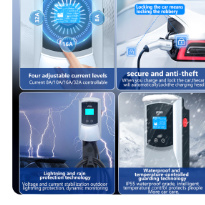
# The Multi-Stage Electronic Handshake (Zero Voltage on Pins)
When you pick up a charging connector in pouring rain, the copper pins inside the plug are completely dead—carrying 0 volts. Power is never supplied until the connector is fully inserted, mechanically locked into the vehicle inlet, and the Control Pilot (CP) communication pin confirms a sealed ground connection. Only after this microsecond electronic handshake is verified does the contactor close and energy begin flowing.
# Overlapping Safety Mechanisms
IP67 Weather Sealing
Internal electrical components, transformers, and electronic PCBs are completely isolated against water ingress even in heavy downpours.
DC 6mA & AC 30mA Residual Current Monitoring
Ultra-sensitive RCD detectors instantly trip power within 10 milliseconds if current leakage to ground is detected.
Electronic Anti-Theft & Port Lock
The car physically locks the plug in place, compressing the silicone weather gasket and preventing accidental unplugging while live.
Lightning & Surge Protection
Built-in Type 2 SPD surge arresters absorb transient voltage spikes from nearby lightning strikes.
# Practical Guidelines for Extreme Weather
While charging in rain is completely safe, drivers should avoid submerging cables in deep standing floodwaters and inspect cables for obvious visible tears or cuts prior to insertion.